This isAnglicanism.Watch now

Contents

  1. iThe title pageHome
  2. 1The storyFrom the ancient British Church to the world
  3. 2WatchTeaching with the Ven. Alex Uzor
  4. 3LearnWorship, doctrine, the Prayer Book
  5. 4PlayWho Knows Anglicanism? 1,000+ questions
  6. 5The bookThis Is Anglicanism
  7. 6AboutA programme of Digital Archdeacon

Here beginneth the story.

Not a new church.

The ancient Church of the British Isles, reformed by the Word of God, and carried to the ends of the earth.

An old Church, reformed.

People sometimes say that the Anglican Church began when Henry VIII quarrelled with the Pope. It did not. The Church in these islands is as old as British Christianity itself: Tertullian could write of Britons “subject to Christ” around AD 200, and British bishops sat at the Council of Arles in 314.

What happened in the sixteenth century was not the founding of a new church but the reformation of an ancient one. The English Church rejected the claims of the Bishop of Rome, tested its teaching and worship by Holy Scripture, and put the Bible and the liturgy into the language of the people. It kept everything the early Church had kept: the Scriptures, the Creeds, the two Sacraments of the Gospel and the ministry of bishops, priests and deacons.

That is why Anglicans call their Church both catholic and reformed. As Bishop John Jewel argued in 1562, it had not left the ancient Church; it had returned to it.

c. 200 – 731

The ancient Church in Britain

Christianity reached these islands within two centuries of the Resurrection. Long before Augustine landed in Kent, Britain had its martyrs, its bishops and its missionaries.

  1. c. 200

    Christ in Britain

    Tertullian writes that places of the Britons beyond the reach of Rome have become “subject to Christ”.

  2. 3rd–4th c.

    Alban, the first martyr

    At Verulamium, Alban shelters a fleeing Christian priest, confesses the faith himself and is put to death: Britain’s first recorded martyr.

  3. 314

    British bishops at Arles

    Bishops from Britain, among them the bishops of York and London, sit at the Council of Arles. The Church in these islands already has its own episcopate.

  4. 563

    Columba on Iona

    Columba founds the monastery of Iona, from which the gospel is carried through Scotland and into northern England.

  5. 597

    Augustine in Kent

    Augustine arrives from Rome and finds a Christian queen already worshipping in Kent. A second mission joins the faith that is already present in the land.

  6. 635

    Aidan at Lindisfarne

    Aidan comes from Iona to found Lindisfarne and evangelise Northumbria on foot.

  7. 731

    Bede’s history

    Bede completes his Ecclesiastical History of the English People, the first history of the English Church.

1215 – 1380s

The Ecclesia Anglicana

Through the Middle Ages the Church of the land was known as the Ecclesia Anglicana, the English Church. It prayed in Latin, but Englishmen were already reaching for the Bible in their own tongue.

  1. 1215

    “Anglicana ecclesia”

    Magna Carta opens by declaring “that the English Church shall be free”: Ecclesia Anglicana, the Church from which Anglicans take their name.

  2. 1380s

    The Bible in English

    The Wycliffite translations put the whole Bible into English for the first time.

1526 – 1662

The Church reformed

In the sixteenth century the English Church threw off the jurisdiction of Rome and was reformed by the Word of God. It kept the Creeds, the sacraments and the ministry of bishops, and gave the people the Bible and common prayer in English.

  1. 1526

    Tyndale’s New Testament

    William Tyndale’s New Testament, translated from the Greek, is printed and smuggled into England.

  2. 1534

    Free of Rome

    The English Church rejects the jurisdiction of the Pope. It is the same Church, now to be reformed by the Word of God.

  3. 1549

    The Book of Common Prayer

    Thomas Cranmer gives the Church one book of worship, wholly in English and steeped in Scripture.

  4. 1555–56

    The Oxford martyrs

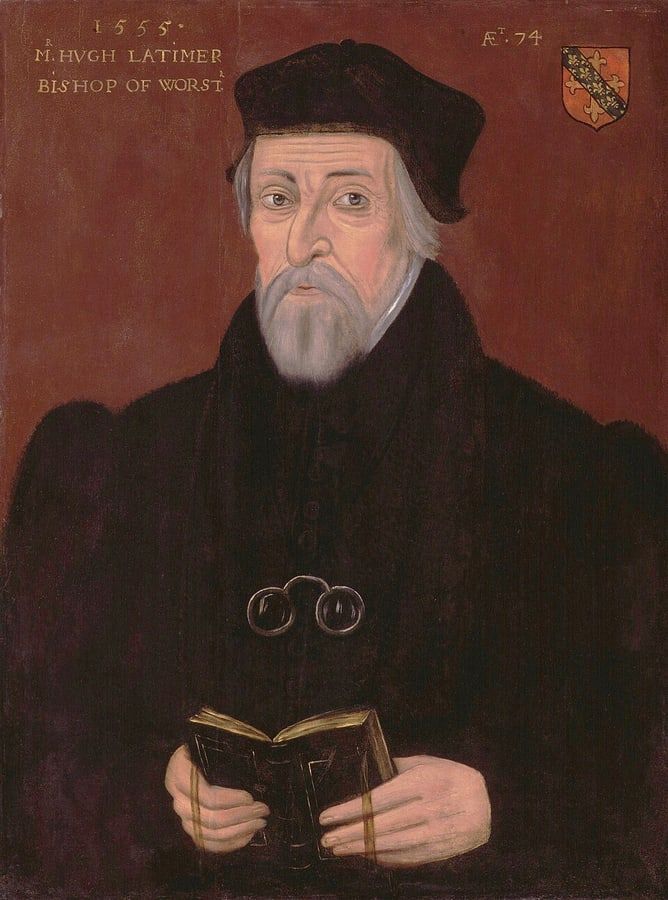
    Hugh Latimer, Nicholas Ridley and Thomas Cranmer are burned at Oxford for the reformed faith.

  5. 1562

    Jewel’s Apology

    John Jewel’s Apology of the Church of England defends the Church as truly catholic because it is truly scriptural.

  6. 1571

    The Thirty-Nine Articles

    The Articles of Religion reach their final form: the doctrinal standard of classic Anglicanism.

  7. 1594

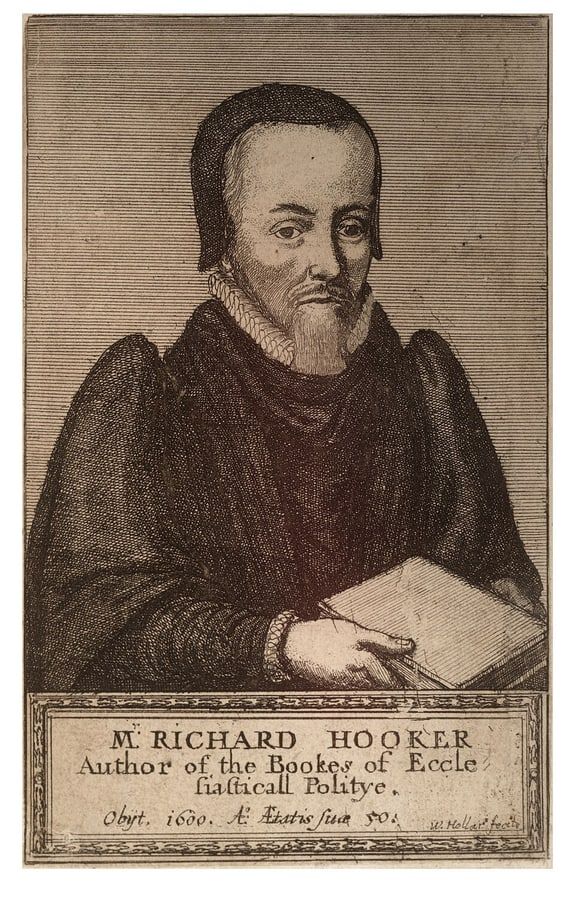
    Hooker’s Laws

    Richard Hooker’s Laws of Ecclesiastical Polity sets out Scripture, reason and the Church’s ordered life.

  8. 1662

    The Prayer Book of 1662

    The classic Book of Common Prayer, with its Ordinal and the Articles, becomes the standard of Anglican worship worldwide.

1799 – today

To the ends of the earth

Missionaries carried the Prayer Book faith across the world, and African, Asian and American believers made it their own. Today most Anglicans live in the Global South.

  1. 1799

    The Church Missionary Society

    Evangelical Anglicans found the CMS. Its missionaries carry the Prayer Book to West Africa, East Africa and beyond.

  2. 1864

    Crowther consecrated

    Samuel Ajayi Crowther, once enslaved, is consecrated the first African Anglican bishop.

  3. 1886

    The Uganda Martyrs

    Young converts are burned at Namugongo rather than deny Christ. Their witness sets Ugandan Christianity alight.

  4. 1977

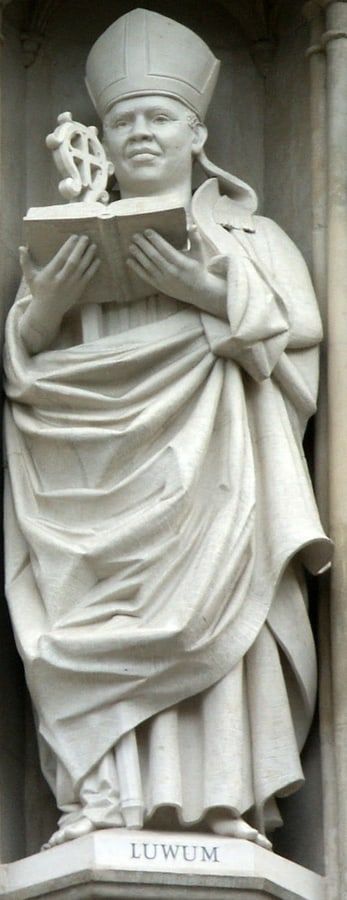
    Janani Luwum

    The Archbishop of Uganda is murdered after confronting Idi Amin’s terror. He is remembered as a martyr across the Communion.

  5. Today

    A global Communion

    Most Anglicans now live in the Global South, and the largest Anglican churches are in Africa.

A cloud of witnesses

The fathers

Martyrs, bishops, scholars and missionaries who shaped classic Anglicanism.

  • Portrait of Thomas Cranmer

    Thomas Cranmer

    1489–1556

    Archbishop, compiler of the Book of Common Prayer

  • Portrait of Samuel Ajayi Crowther

    Samuel Ajayi Crowther

    c. 1809–1891

    First African Anglican bishop

  • Portrait of Richard Hooker

    Richard Hooker

    1554–1600

    Author of the Laws of Ecclesiastical Polity

  • Portrait of Janani Luwum

    Janani Luwum

    1922–1977

    Archbishop of Uganda, martyr

  • Portrait of Hugh Latimer

    Hugh Latimer

    c. 1487–1555

    Bishop and martyr

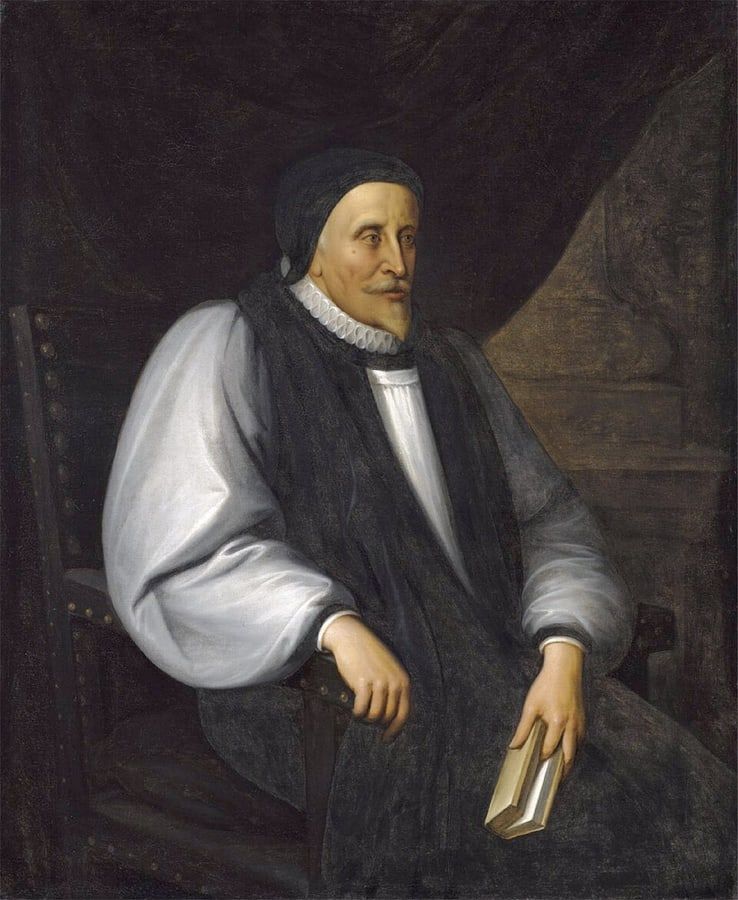
  • Portrait of Lancelot Andrewes

    Lancelot Andrewes

    1555–1626

    Bishop, preacher, translator of the King James Bible

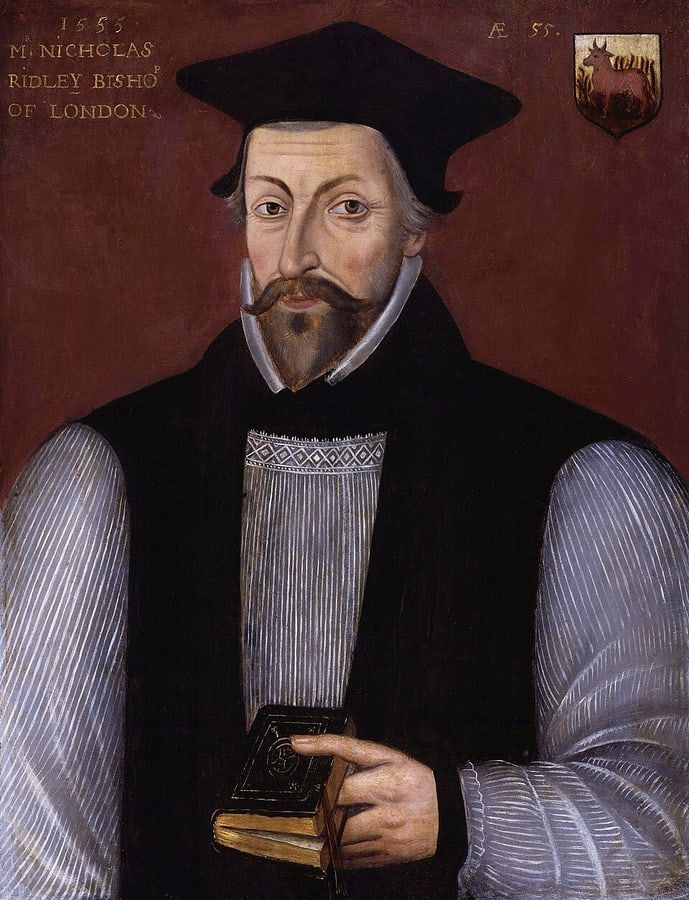
  • Portrait of Nicholas Ridley

    Nicholas Ridley

    c. 1500–1555

    Bishop and martyr

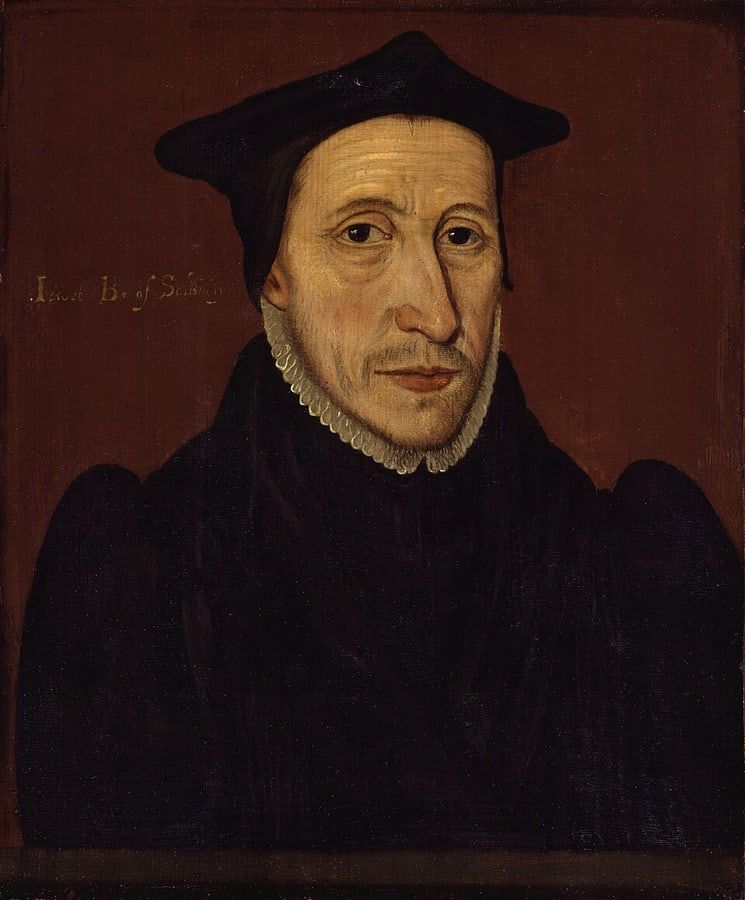
  • Portrait of John Jewel

    John Jewel

    1522–1571

    Bishop, author of the Apology of the Church of England

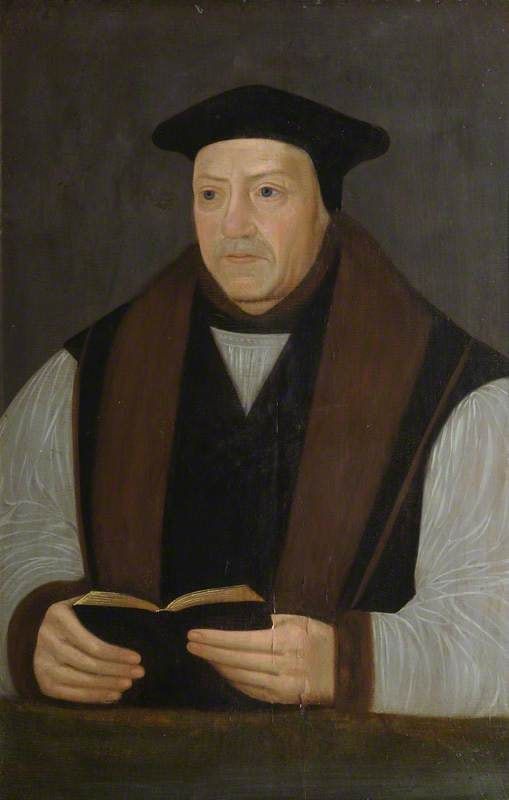
  • Portrait of Matthew Parker

    Matthew Parker

    1504–1575

    Archbishop under Elizabeth I

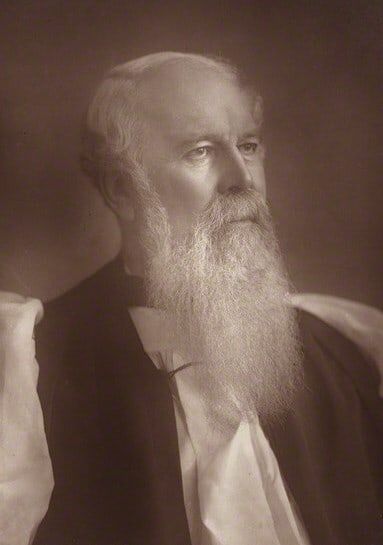
  • Portrait of J. C. Ryle

    J. C. Ryle

    1816–1900

    Bishop and evangelical writer

Remember · People, places and texts

From the archives

Discover the people, places, texts and moments that shaped Anglicanism.

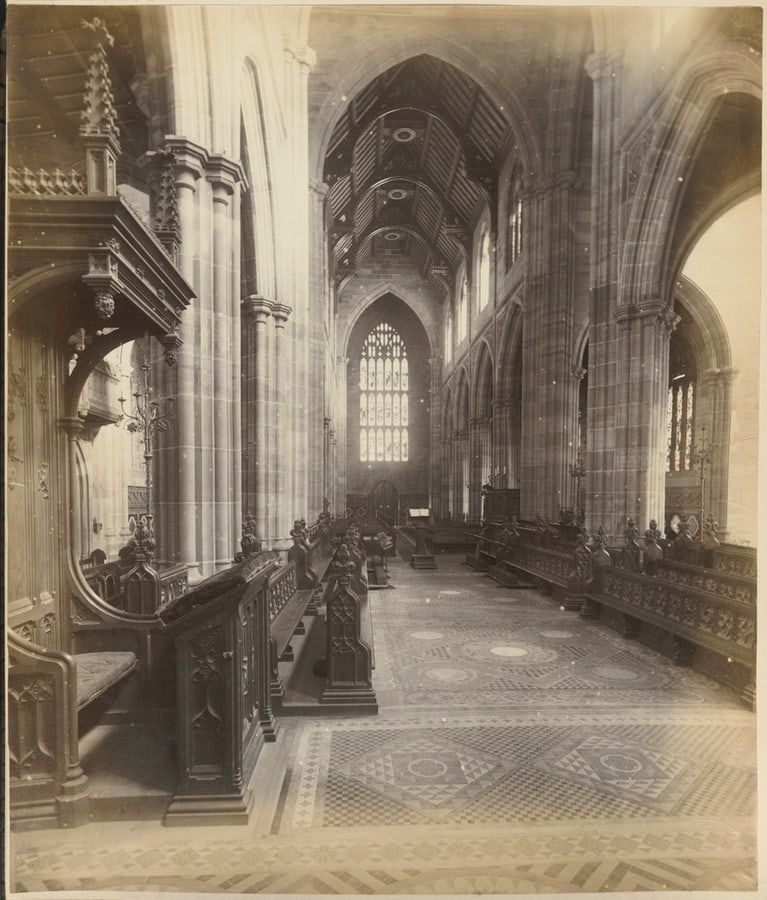
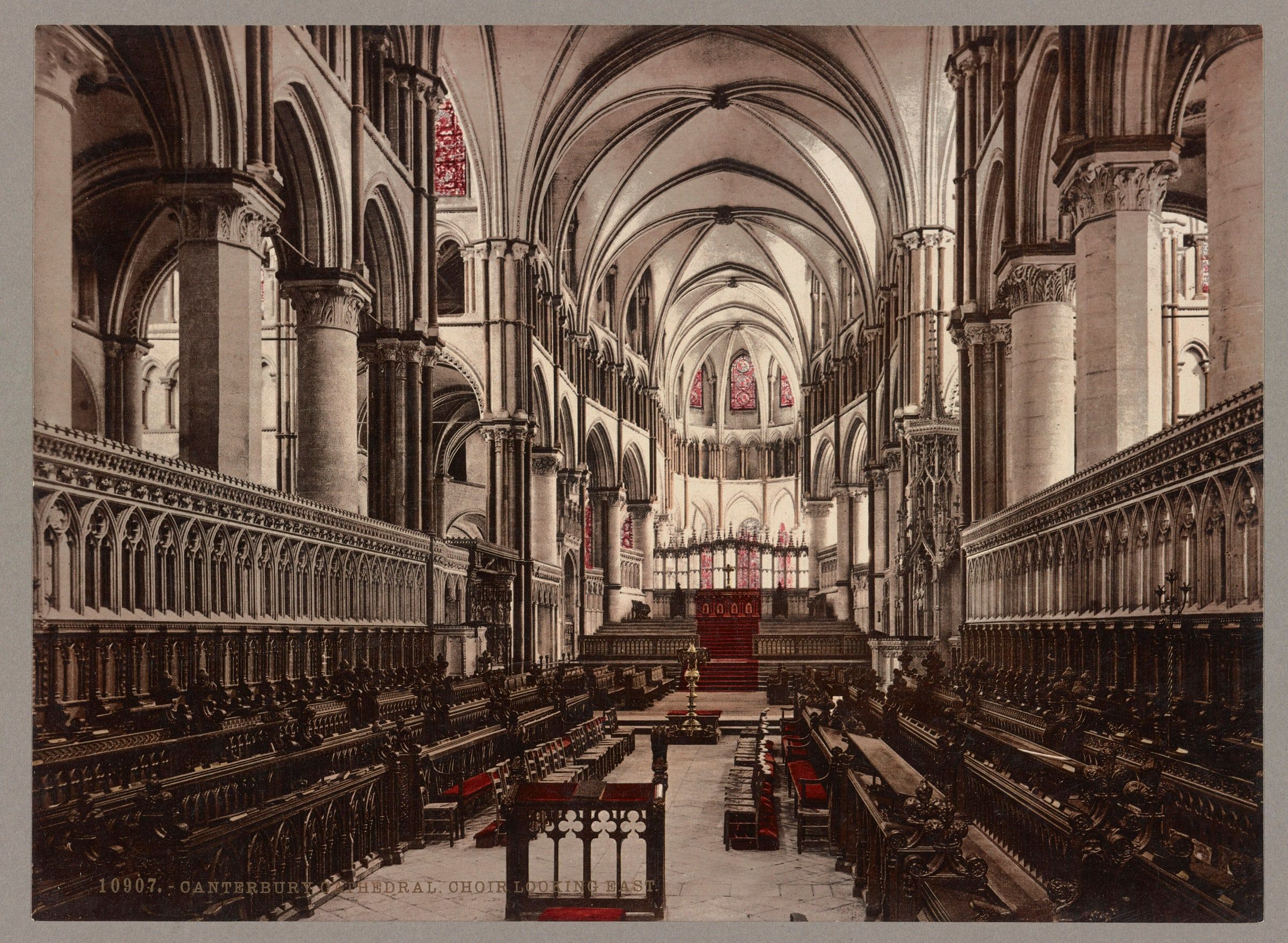
A hand-coloured photochrom of Canterbury Cathedral’s choir, looking east past carved stalls towards the high altar.

Places · Worship

The choir, Canterbury

Augustine founded his see here in 597, joining a Christianity already centuries old in Britain. A hand-coloured photochrom from the last years of Victoria’s reign.

Plate III Canterbury, the choir looking east. Photochrom print, c. 1890–1900
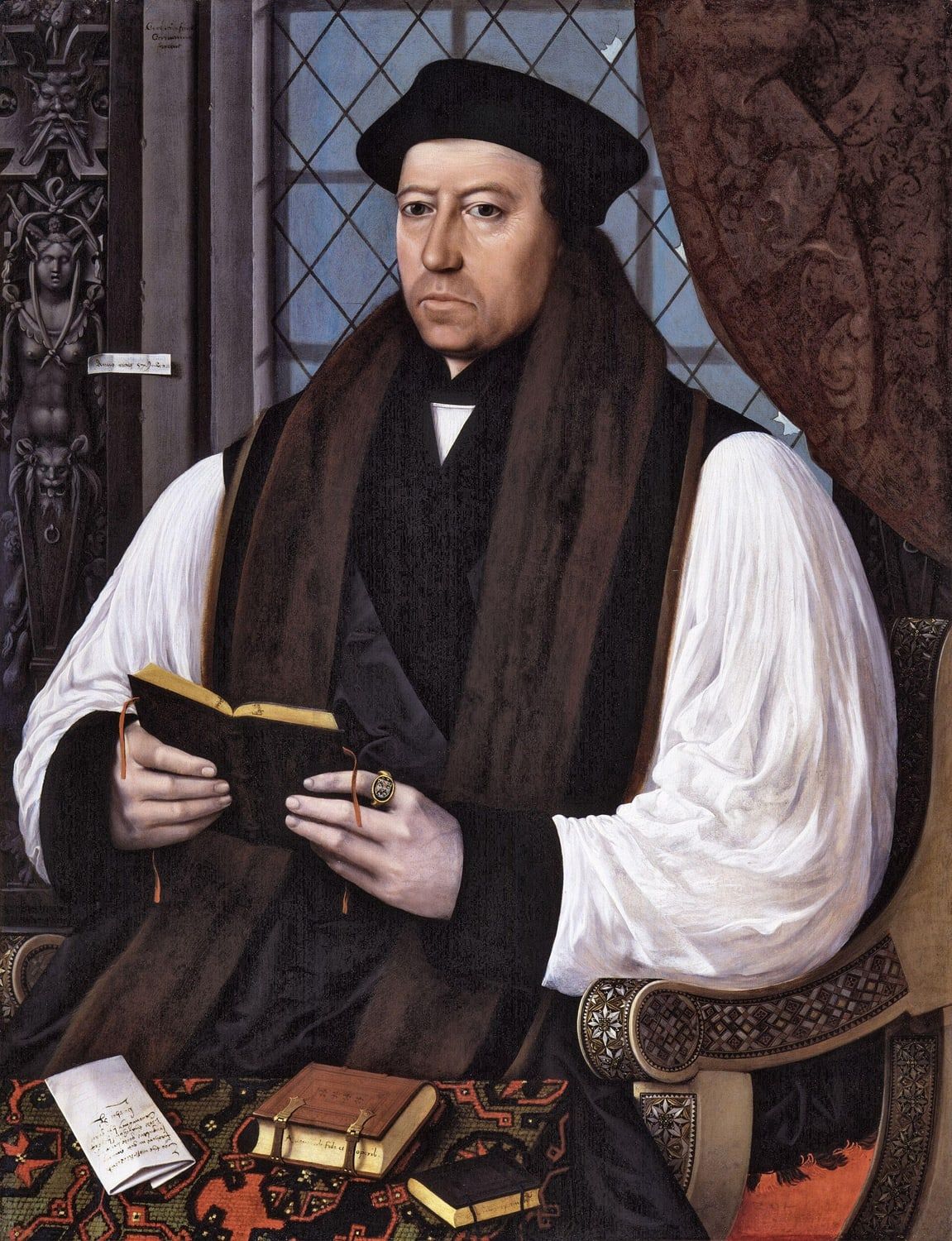
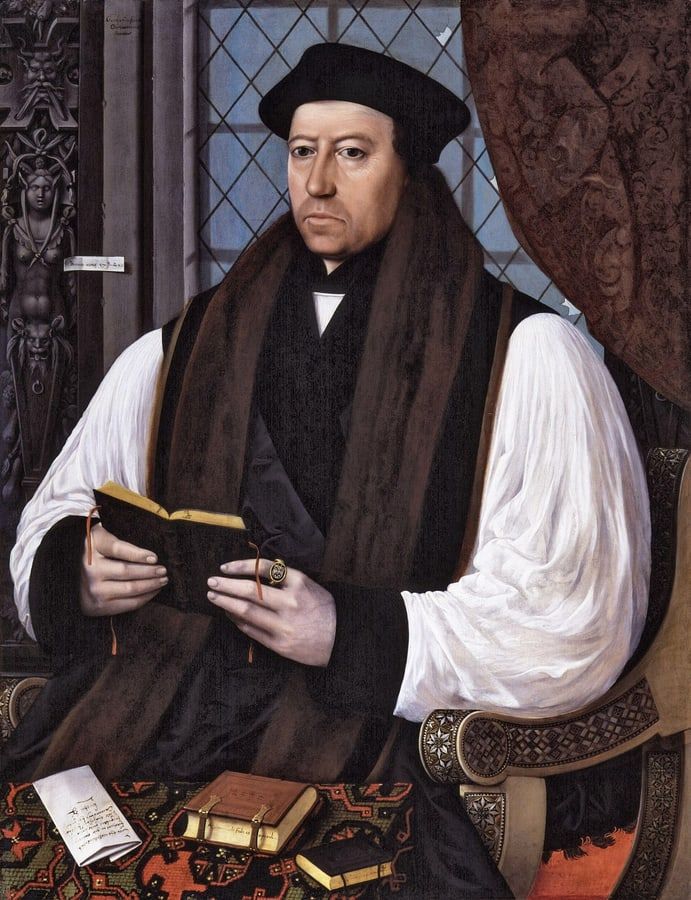
Portrait of Thomas Cranmer in a black cap and white sleeves, seated and holding a small book, painted in 1545.

People · Reformation

Thomas Cranmer

Chief architect of the Book of Common Prayer, burned at the stake in Oxford in 1556 for the reformed faith.

Plate IV Thomas Cranmer, Archbishop of Canterbury, 1545

Black-and-white photograph of the nave of St Andrew’s Cathedral, Sydney, in 1879, with a carved pulpit and a patterned tiled floor.

Places · Global Anglicanism

St Andrew’s, Sydney

Australia’s oldest cathedral, consecrated on St Andrew’s Day 1868 and photographed eleven years later.

Plate V St Andrew’s Cathedral, Sydney, 1879

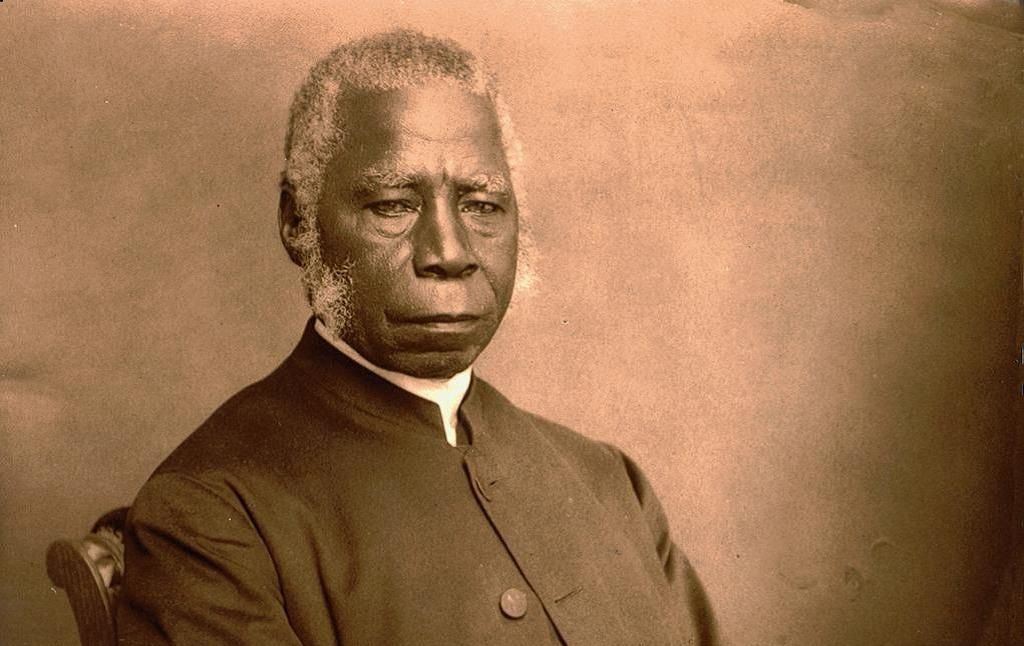
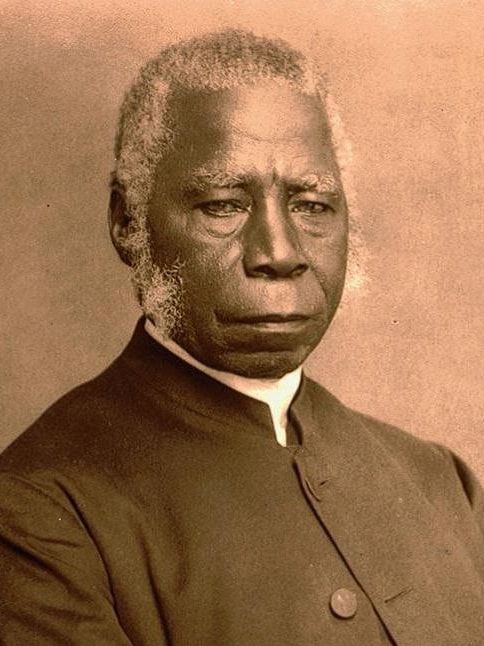
Photographic portrait of Bishop Samuel Ajayi Crowther in later life, white-haired, seated in a clerical coat against a plain studio backdrop.

People · Missions

Samuel Ajayi Crowther

Enslaved as a boy in 1821 and freed by a Royal Navy patrol the next year, he became a linguist, a translator of the Yoruba Bible and, in 1864, first African Anglican bishop.

Plate VI Samuel Ajayi Crowther, the first African Anglican bishop

Classic Anglicanism

What the Reformation kept, and what it restored.

Scripture
The supreme rule of faith, containing all things necessary to salvation.
The Creeds
The Apostles’, Nicene and Athanasian Creeds, received and believed.
The Sacraments
Baptism and the Supper of the Lord, ordained by Christ himself.
The Ministry
Bishops, priests and deacons, as in the Church since the apostles’ time.
The Formularies
The Thirty-Nine Articles, the 1662 Book of Common Prayer and the Ordinal.